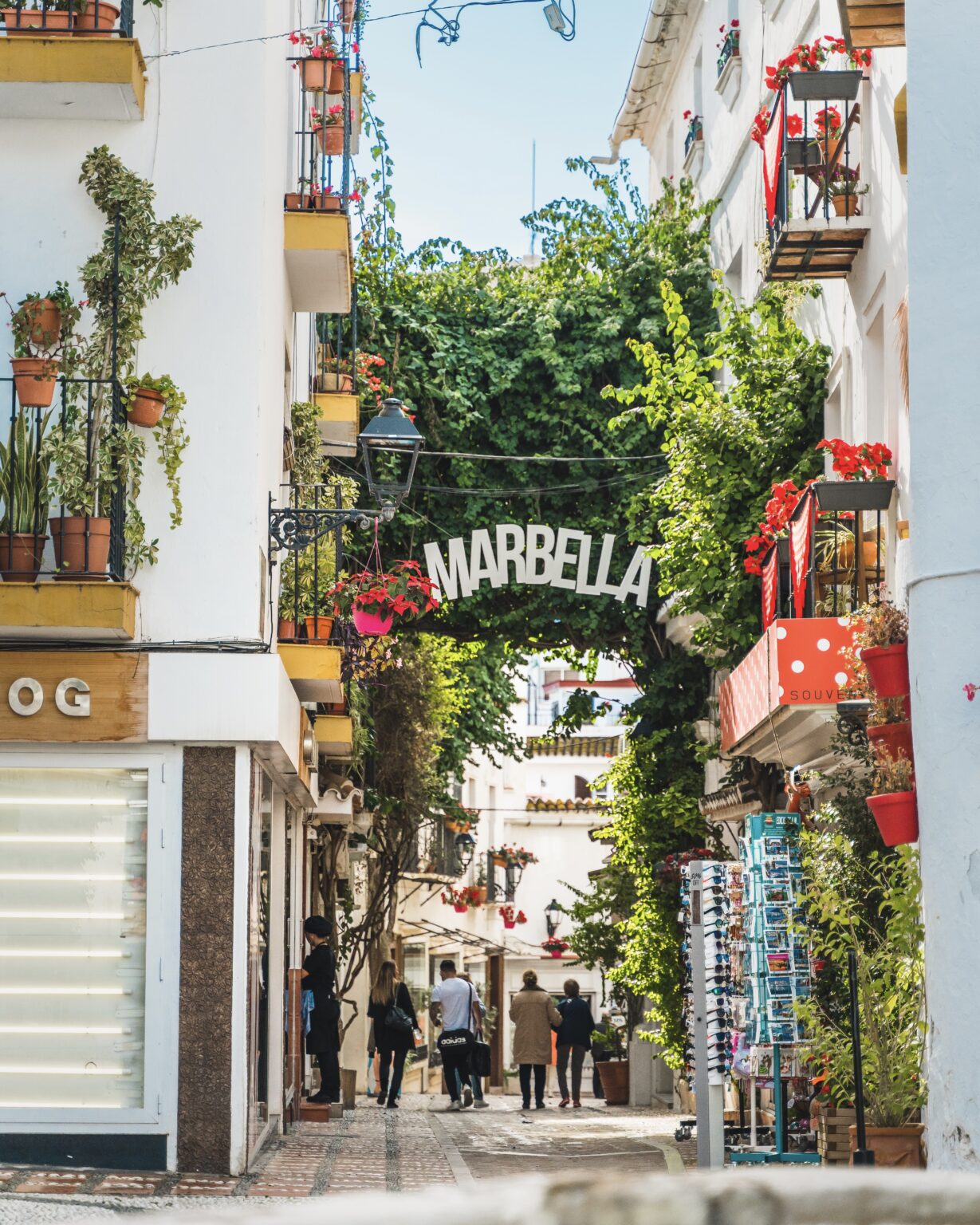

Marbella Old Town, the Guide 2026
Visiting Marbella Old Town is a must-do activity for anyone who wants to explore the city beyond its luxurious port of Puerto Banús and exclusive beach clubs. The old town is the prettiest and
Your number one guide to Marbella Old Town, curated by MarbsLifestyle.com for those who want to discover its hidden gems, restaurants, drinks, culture and timeless Andalusian charm.
Visiting Marbella Old Town is a must-do activity for anyone who wants to explore the city beyond its luxurious port of Puerto Banús and exclusive beach clubs. The old town is the prettiest and

We are fervent believers in the magic of retail therapy, and there's something enchanting about walking into a boutique and coming out with something unique, something that tells a story. For us, shopping isn't

Vintage designer enthusiasts, like ourselves, will find themselves right at home in the old town of Marbella. You might be surprised to learn that several shops in this area specialise in selling second-hand designer

If you've ever visited Marbella in the summer months, you may have noticed the vibrant, colorful flowers that seem to be everywhere in the city's old town. One of the most eye-catching of these
Marbella's Old Town is a must-visit destination for anyone traveling to the southern region of Andalusia, Spain. At the heart of the Old Town lies the Plaza de los Naranjos, a picturesque and historic
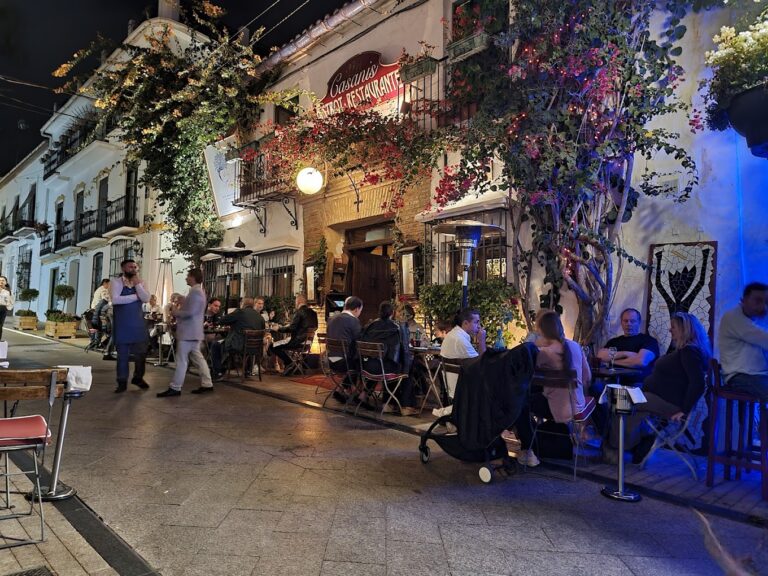
Casanis Bistrot is one of the most atmospheric restaurants in Marbella Old Town, set on Calle Ancha. The restaurant combines Mediterranean cuisine with French and Belgian influences, creating a refined but welcoming dinner experience....
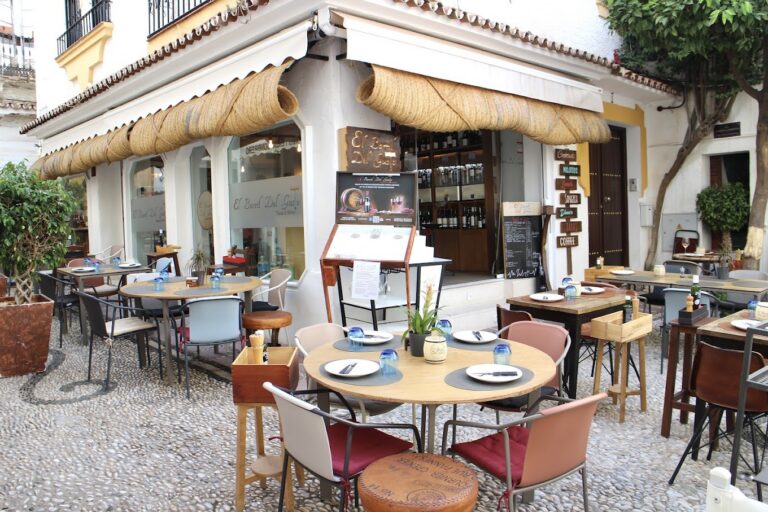
Welcome to El Barril del Gusto, a restaurant and wine-focused dining spot in Marbella Old Town. Set on Plaza José Palomo, the venue offers a charming central setting where guests can enjoy food and wine in a relaxed historic atmosphere. The restaurant has been reopened under new ownership while keeping the soul of its bodega identity, giving it a strong focus on wine, flavour and the pleasure of eating in one of Marbella’s most atmospheric areas.
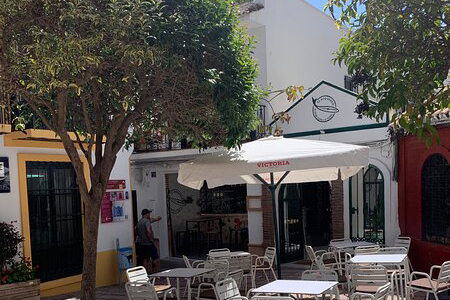
Welcome to El Boquerón Restaurant, a family-owned tapas and wine bar in the heart of Marbella Old Town. Tucked into one of the city’s most atmospheric areas, the venue offers a cosy and authentic setting for guests who want to enjoy Spanish flavours away from the larger resort and beach club scene. The restaurant’s character is warm, informal and personal, with the charm of a small Old Town address where the experience feels more local and intimate.
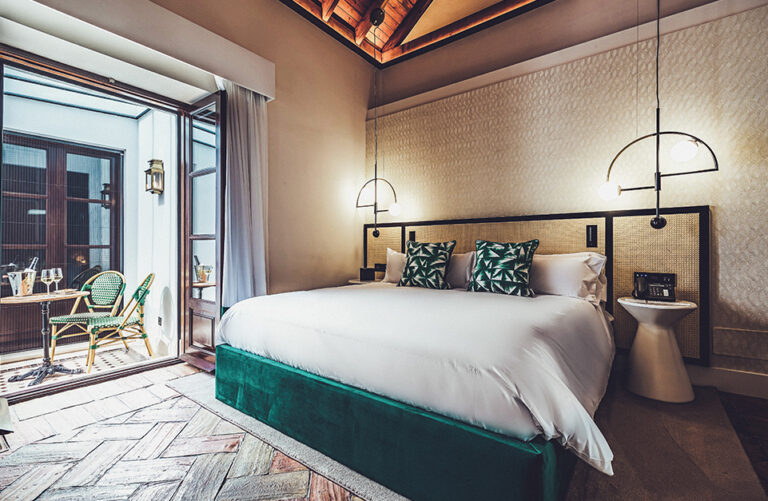
Welcome to Hotel Claude Marbella, a boutique hotel in the heart of Marbella Old Town, close to Plaza de los Naranjos. Set inside a restored 17th-century townhouse, the hotel combines historic architecture with elegant interiors, antique details and contemporary artwork. Its intimate scale gives it a very different feeling from Marbella’s larger beachfront hotels, making it ideal for guests who want character, privacy and a strong connection to the old centre. The atmosphere is romantic, refined and quietly luxurious.
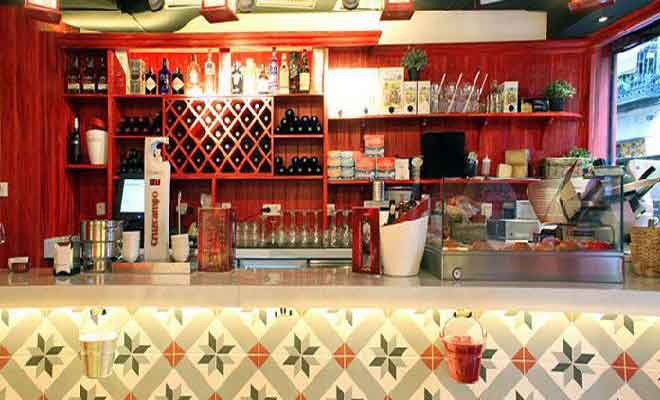
Welcome to La Tienda Casa Curro, a modern restaurant in Marbella Old Town from Grupo Casa Curro. Located on Calle Pantaleón, it brings a contemporary gastronomic approach to one of Marbella’s most charming areas, combining the character of the old centre with a more current dining style. The atmosphere is intimate, polished and welcoming, making it suitable for relaxed dinners, small groups and guests who want to explore Marbella beyond the beach and resort scene.

Welcome to Linda Boutique Hotel Marbella, a contemporary boutique hotel in the heart of Marbella Old Town. Set among narrow pedestrian streets, restaurants, boutiques and historic façades, the hotel offers a stylish contrast to the traditional surroundings. Its scale is intimate, giving the property a more personal atmosphere than Marbella’s larger beachfront hotels. It is especially suited to guests who want to stay close to the old centre while enjoying modern design and comfort.

Welcome to Afuego, a Spanish restaurant located inside El Castillo Hotel in Marbella Old Town. Set within the La Ciudadela Marbella environment, the restaurant combines the charm of the historic centre with a polished hotel-restaurant atmosphere. Its setting gives the experience a warm and intimate character, making it well suited to guests who want to enjoy dinner in the old town without choosing a busy or overly informal tapas bar. The mood is elegant, calm and connected to the architectural character of the surrounding streets.
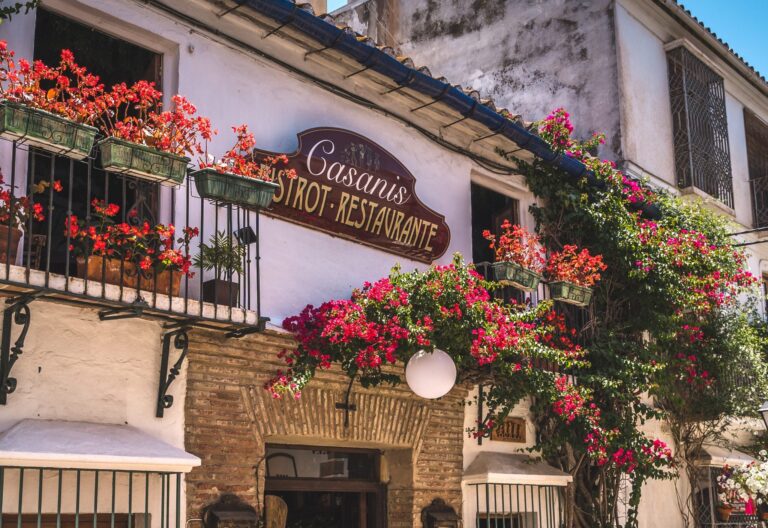
Welcome to Casanis Bistrot, a Mediterranean restaurant with French and Belgian influences, located on Calle Ancha in the heart of Marbella Old Town. The restaurant has become one of the area’s most recognisable dining addresses, set among narrow streets, historic façades and the warm evening atmosphere that makes the old centre so special. Created from Guy Sirre’s travels in search of flavours, aromas and textures, Casanis has a character that feels personal, intimate and full of detail rather than overly formal.

Welcome to Primeria Selection, a wine-led restaurant and gourmet tapas concept in central Marbella. Located on Calle Notario Luis Oliver, the venue is built around wine, product and the pleasure of sharing carefully chosen dishes in a stylish but relaxed setting. It offers a more intimate and food-focused alternative to Marbella’s larger restaurants, making it especially appealing for guests who enjoy wine culture as much as the meal itself.
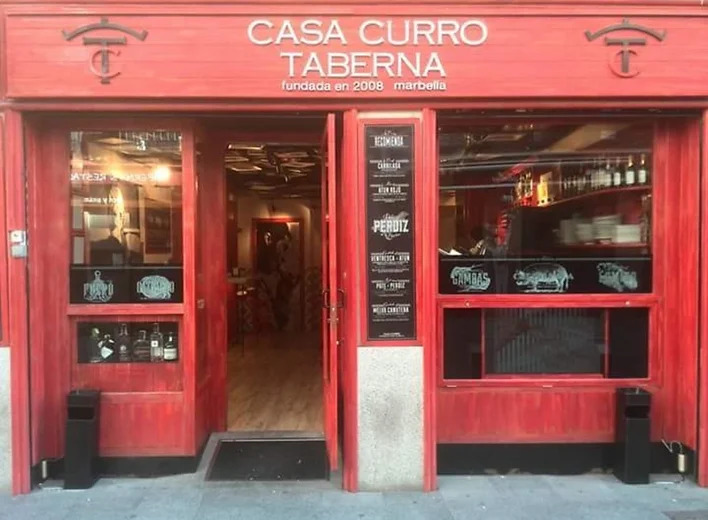
Looking for an authentic Spanish bar experience in Marbella? Look no further than Taberna Casa Curro Marbella!
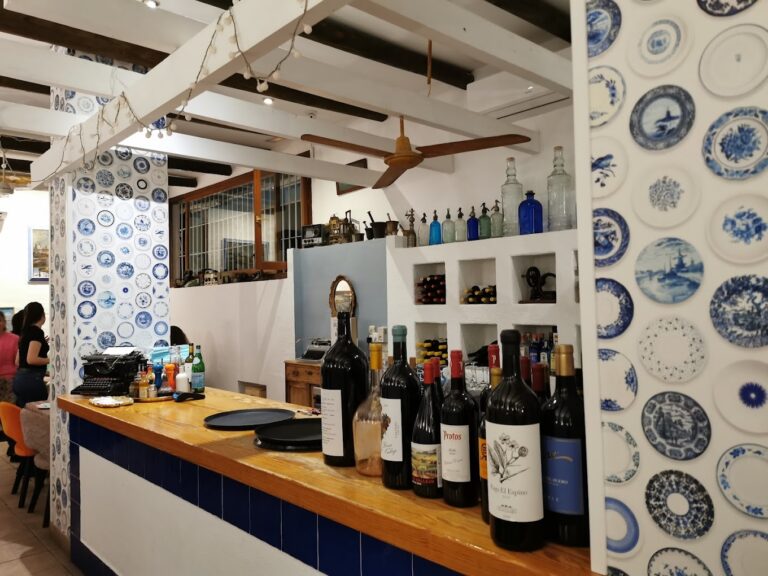
Welcome to Taberna Gaspar, a traditional Spanish restaurant in Marbella that has been part of the local dining scene since 1996. Located on Calle Notario Luis Oliver, the restaurant presents itself with humour and confidence, but its identity is rooted in serious, traditional cooking. It is a place for guests who want honest Spanish food, market ingredients and a warm, familiar atmosphere rather than a trend-led dining concept.
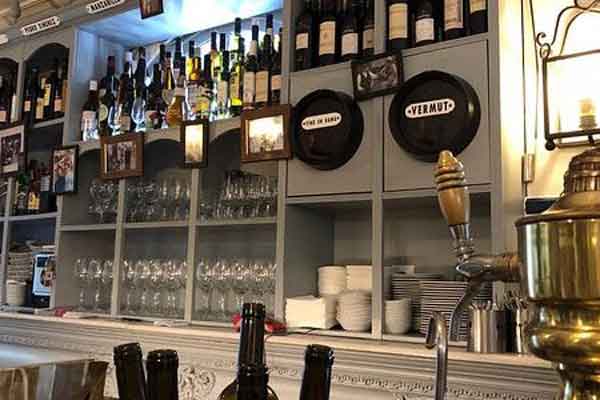
Welcome to Taberna La Niña del Pisto, a traditional Andalusian tavern in Marbella Old Town. The venue has the warm, rustic character of a small local restaurant, with exposed details, simple charm and an atmosphere that feels connected to the historic centre. It is especially suited to guests who want to enjoy Marbella through tapas, regional dishes and a more familiar Spanish dining rhythm rather than a polished resort setting.
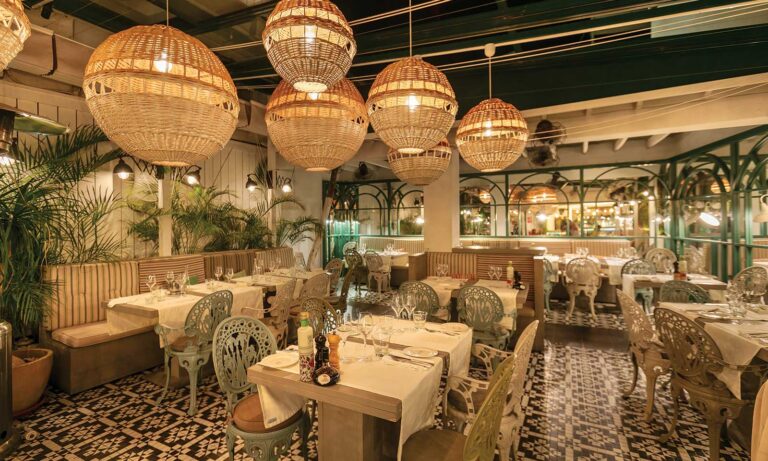
Welcome to Zozoï, a creative restaurant located in Plaza Altamirano, one of the most charming corners of Marbella Old Town. Set inside a historic part of the city, the restaurant combines a relaxed terrace with an Andalusian-style interior courtyard, creating a warm and atmospheric setting for dinner. Zozoï has a character that feels intimate and full of personality, making it especially appealing for guests who want to enjoy Marbella away from the beachfront scene and within the charm of the old centre.

All about La Madrina La Madrina Gastro Grill is a small and stylish restaurant close to Marbella Old Town, set on Avenida de la Puerta del Mar just a short walk from...


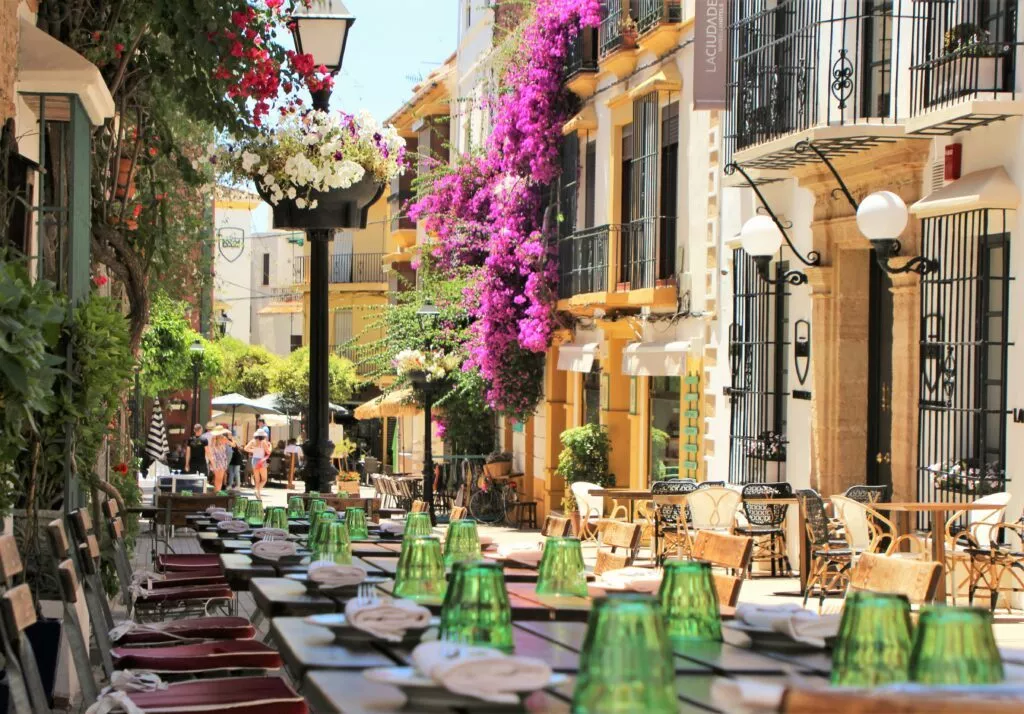
All your questions about Marbella old town answered.
Marbella Old Town, also known as Casco Antiguo, is the historic heart of Marbella. It is a maze of whitewashed streets, flower-filled balconies, orange trees, small squares, restaurants, boutiques and cultural landmarks. For us at MarbsLifestyle.com, this is where Marbella feels most authentic, romantic and Andalusian.
Marbella Old Town is located in the centre of Marbella, just a short walk from Avenida del Mar, Alameda Park, the promenade and the beach. It is easy to combine with lunch by the sea, shopping in town or an evening walk through the historic centre.
We recommend Marbella Old Town because it gives depth to the Marbella lifestyle. Beyond the beach clubs, luxury resorts and Golden Mile glamour, the Old Town offers culture, history, gastronomy, boutique shopping and a slower, more atmospheric side of the city.
The best time to visit Marbella Old Town is early morning, late afternoon or evening. Mornings are peaceful and perfect for coffee, while the evening brings warm lighting, busy terraces and a romantic Andalusian atmosphere. In summer, late afternoon and evening are usually the most comfortable times to explore.
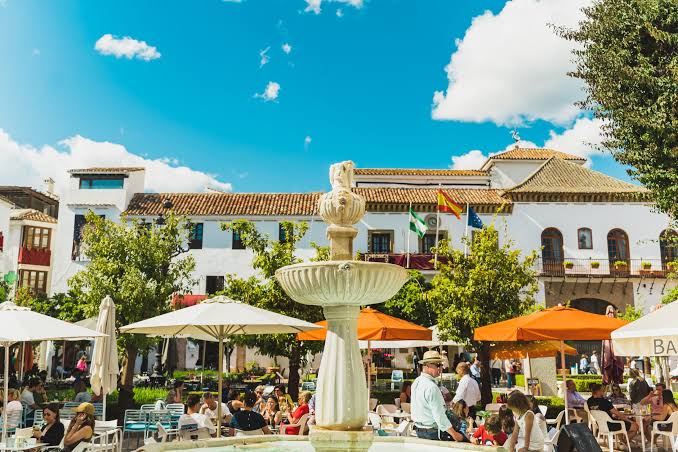
Plaza de los Naranjos is the main square and social heart of Marbella Old Town. Created after the Christian conquest of Marbella in 1485, it remains one of the most beautiful places to begin exploring the historic centre, surrounded by orange trees, terraces and historic buildings.
Around Plaza de los Naranjos, visitors can see Marbella’s Town Hall, Casa del Corregidor and Ermita de Santiago. The square is also surrounded by traditional Andalusian architecture, narrow streets, restaurants and terraces that lead deeper into the Old Town.
Yes. Marbella Old Town has a strong and varied restaurant scene, from traditional tapas bars and Andalusian taverns to refined dining and intimate restaurants. It is one of our favourite areas for guests who want dinner with atmosphere, history and character rather than a purely resort-style experience.
Marbella Old Town is known for a mix of classic and more refined dining addresses. Restaurants often mentioned in local dining guides include Skina for Michelin-starred gastronomy, Casanis for elegant European dining, ZOZOI for creative cuisine, The Farm for local produce and flamenco evenings, Altamirano for seafood, and La Tienda Casa Curro for contemporary Spanish flavours.
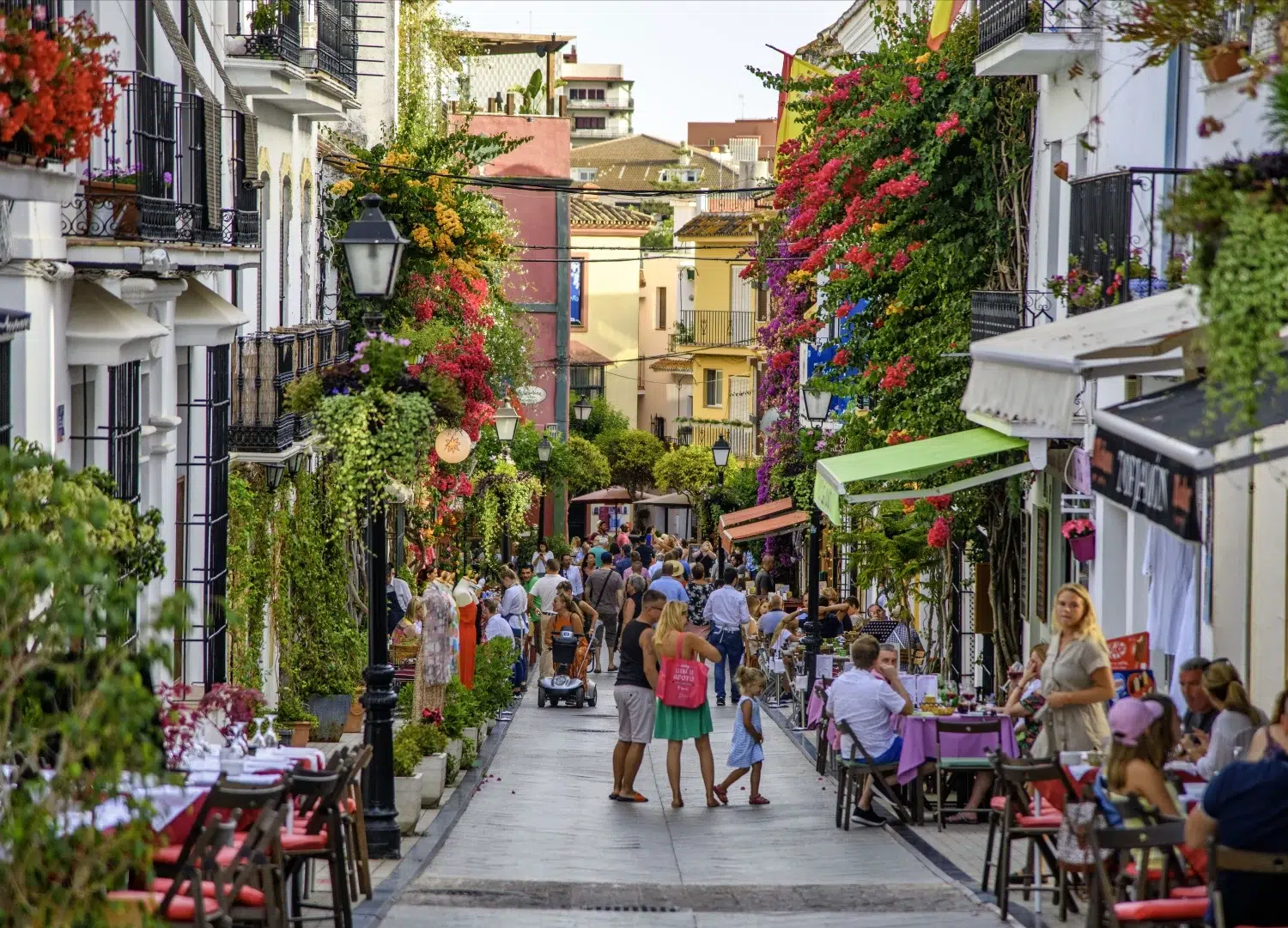
Yes. During the day, Marbella Old Town is perfect for a slow walk, boutique shopping, coffee, lunch, culture and photography. The streets feel bright and charming, with white façades, colourful flowers, small shops and beautiful corners around almost every turn.
Yes. Evening is one of the best times to experience Marbella Old Town. The streets become softer and more atmospheric, the terraces fill up, the lighting becomes warm and the whole area feels more romantic. It is ideal for dinner, drinks, tapas or a relaxed walk after sunset.
Yes. Marbella Old Town is a lovely area for drinks, especially if you prefer atmosphere over loud nightlife. You will find wine bars, cocktail spots, terraces and intimate bars hidden among the narrow streets. It is perfect for a glass of wine before dinner or a relaxed cocktail after an evening meal.
Yes. Tapas are one of the best ways to enjoy Marbella Old Town. The historic centre has traditional bars and restaurants where you can move slowly from one place to another, enjoying small plates, wine and a more local rhythm. For us, this is one of the most enjoyable ways to experience the Old Town.
Yes. Marbella Old Town is no longer only about casual tapas and tourist terraces. The area now includes Michelin-level dining, boutique hotel restaurants, elegant courtyard settings and more refined culinary concepts. It is increasingly attractive for guests who want gastronomy with atmosphere and a real sense of place.
Yes. Marbella Old Town is one of the most romantic places in Marbella for dinner. The narrow streets, flower-filled balconies, candlelit terraces and historic surroundings create a setting that feels intimate and memorable. We especially recommend booking a table in advance during high season.
Yes. Marbella Old Town is family-friendly, especially for a relaxed walk, lunch, ice cream, boutique shopping or an early dinner. The squares and pedestrian streets make it easy to explore on foot, while the atmosphere gives children and adults a completely different view of Marbella.
Yes. Marbella Old Town is best explored on foot. The streets are narrow, charming and made for wandering rather than driving. Comfortable shoes are recommended, especially because some streets are cobbled or slightly uneven.
Yes. Marbella Old Town is only a short walk from the beach, the promenade and Avenida del Mar. This makes it very easy to combine the historic centre with a seaside walk, beach lunch or drinks by the Mediterranean.
Parking directly inside the Old Town is limited because of the narrow historic streets, so we recommend using a central car park nearby. Avenida del Mar car park is one of the most convenient options, located close to Alameda Park, the seafront and the Old Town. Street parking can be difficult and is often regulated.
Parking can be challenging, especially in summer, at weekends and in the evening. The Old Town itself is not designed for easy car access, so it is better to park nearby and walk in. For a smoother experience, arrive a little earlier than your reservation time.
Opening times in Marbella Old Town vary by season and by business. Many restaurants open for lunch and then again for dinner, while some boutiques and smaller shops may close in the afternoon, especially outside peak season. For specific restaurants, boutiques or cultural visits, we always recommend checking the latest opening hours before going.
The streets and squares of Marbella Old Town can be visited throughout the day, but individual shops, restaurants, churches and cultural venues have their own opening times. The atmosphere changes beautifully from morning to night, so the best experience depends on whether you want quiet streets, shopping, lunch, dinner or evening drinks.
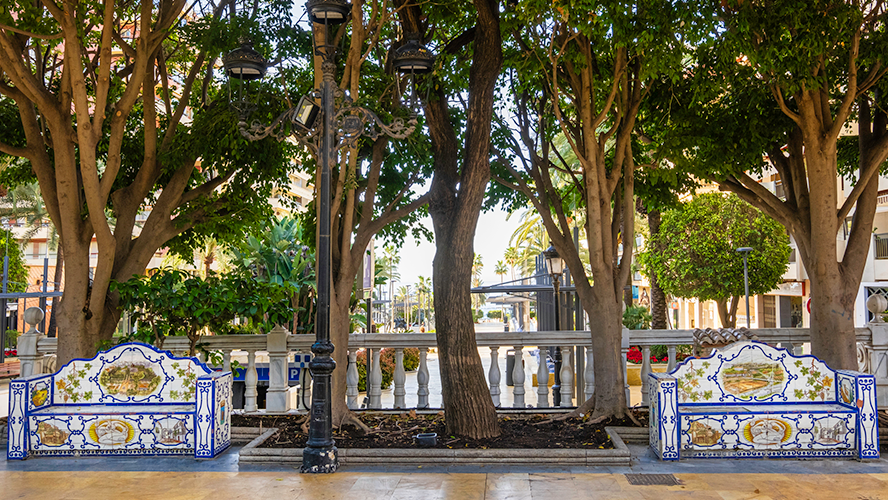
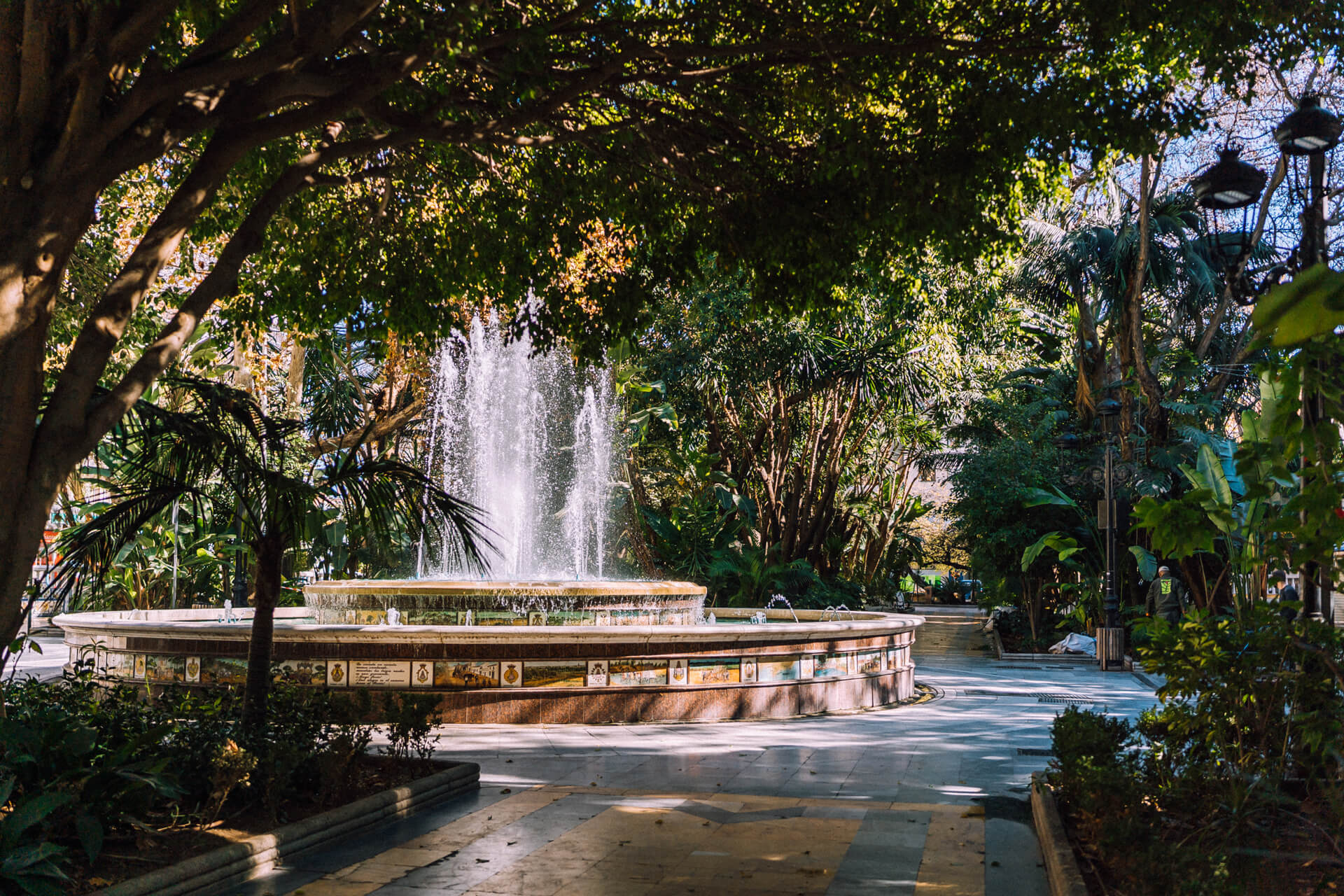
Alameda Park is a historic green space between Marbella Old Town and the seafront. It is known for its tiled benches, shaded paths, fountain and tropical planting. For us, it is a lovely place to pause before or after exploring the Old Town, especially on a warm day.
Alameda Park is worth visiting because it gives Marbella’s centre a sense of calm and shade. It connects beautifully with Avenida del Mar and the Old Town, making it an easy stop during a walk through the city. It is also one of the most traditional and photogenic public spaces in central Marbella.
Avenida del Mar is the elegant pedestrian avenue connecting Marbella Old Town and Alameda Park with the seafront. It is known for its open-air sculptures, palm-lined setting and direct route to the Mediterranean. It is one of the most beautiful transitions between the historic city and the beach.
Yes. Avenida del Mar is known for its outdoor sculpture collection, often associated with Salvador Dalí. It adds an artistic element to the walk between the Old Town, Alameda Park and the promenade, making this route more than just a connection to the beach.
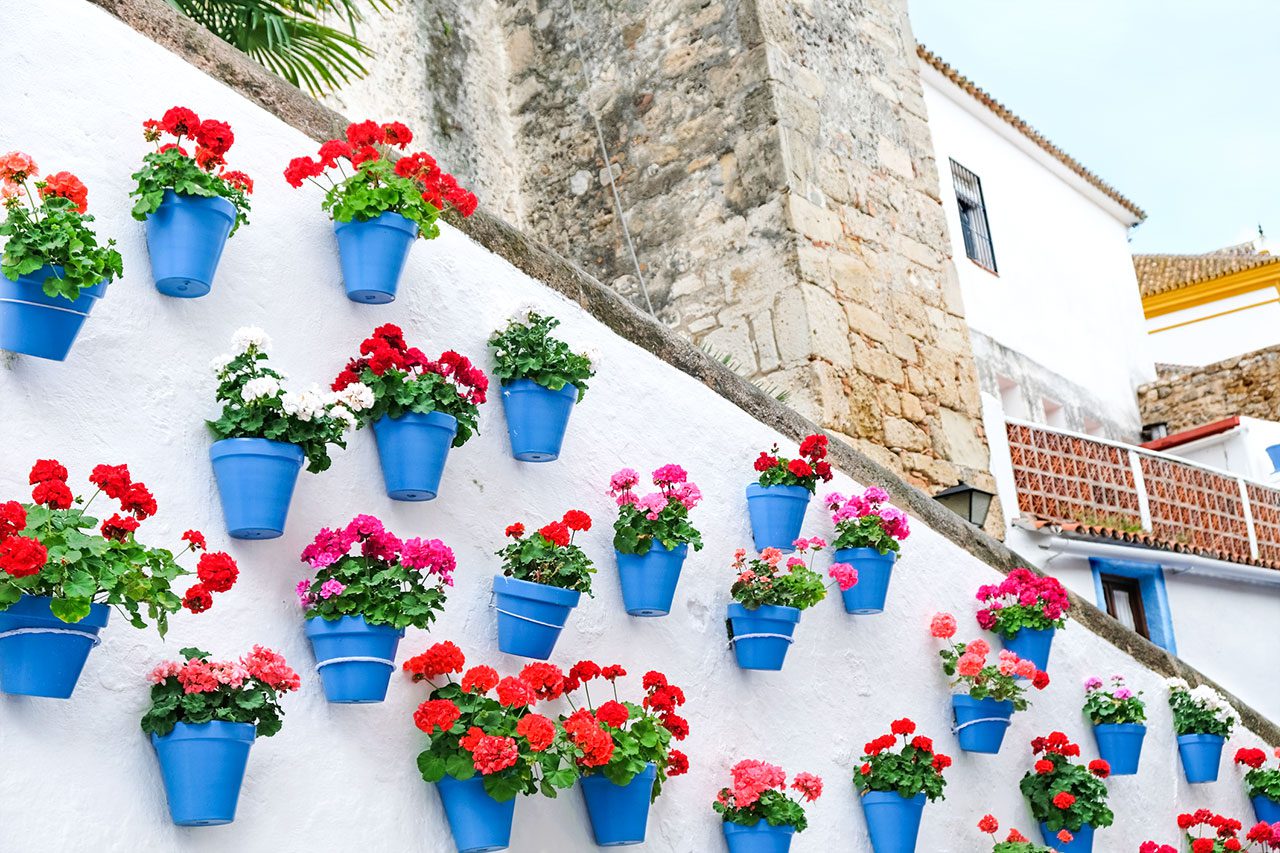
Marbella Old Town is known for its colourful flowers, especially bougainvillea, geraniums and flowering balconies. The contrast of whitewashed walls, bright flowers and traditional Andalusian details is one of the reasons the area is so photogenic and memorable.
Bougainvillea gives Marbella Old Town much of its romantic character. Its bright pink, purple and red tones climb across white façades, balconies and hidden corners, creating the classic Andalusian look that visitors love. It is one of the small details that makes the Old Town feel warm, elegant and full of life.
Yes. Marbella Old Town is one of the most photogenic areas in Marbella. The combination of white streets, flowers, orange trees, tiled details, historic buildings, small squares and evening lighting makes it ideal for lifestyle photography, travel content and romantic city shots.
Important cultural landmarks include Plaza de los Naranjos, Iglesia de la Encarnación, Ermita de Santiago, the remains of the Moorish city walls and the Museum of Contemporary Spanish Engravings. These places show that Marbella is not only a beach and luxury destination, but also a city with real history and cultural depth.
Yes. Marbella Old Town still has remains of its old Moorish city walls, with visible sections around the historic centre. These walls are an important reminder of Marbella’s Andalusian and Islamic past and add a deeper historical layer to the area.
Iglesia de la Encarnación is Marbella’s main church and one of the most important landmarks in the Old Town. Its architecture, scale and presence give the historic centre a sense of tradition and grandeur, making it a key stop for visitors interested in culture and heritage.
Yes. Marbella Old Town is excellent for boutique shopping, especially for visitors who prefer independent stores over large commercial retail. You can find fashion, jewellery, accessories, ceramics, gifts, art, local design and small galleries throughout the streets around Plaza de los Naranjos.
For us at MarbsLifestyle.com, Marbella Old Town is the soulful heart of the city. It is romantic, historic, colourful and full of atmosphere. Whether you come for restaurants, tapas, drinks, flowers, culture, boutique shopping, a walk through Alameda Park or simply to feel the real Marbella, the Old Town is an essential part of the experience.
Why we at MarbsLifestyle.com believe Marbella Old Town is one of the most authentic, elegant and culturally rich experiences in the city
Marbella Old Town, locally known as Casco Antiguo, is the historic heart of Marbella. It is centred around Plaza de los Naranjos, a Renaissance-style square created after the Christian conquest in 1485 and surrounded by key historic buildings including the Town Hall, the Casa del Corregidor and the Ermita de Santiago.
The Old Town still preserves parts of its Moorish city walls, narrow whitewashed streets, traditional Andalusian architecture, churches, small squares, independent boutiques and restaurants. It offers a strong contrast to Marbella’s beach clubs, luxury resorts and Puerto Banús lifestyle, showing a more authentic, cultural and intimate side of the city.
Important places to mention include Plaza de los Naranjos, Iglesia de la Encarnación, Ermita de Santiago, the Moorish walls, Avenida del Mar, the Museum of Contemporary Spanish Engravings, boutique hotels and a growing culinary scene. Condé Nast Traveler has also highlighted the transformation of Marbella Old Town into a destination worth staying in, not only visiting during the day.
⸻
Marbella Old Town, the soulful heart of Marbella
Why we at MarbsLifestyle.com believe Marbella Old Town is one of the most authentic, elegant and culturally rich experiences in the city
At MarbsLifestyle.com, we often speak about Marbella through its beach clubs, luxury resorts, fine dining, villas and Golden Mile lifestyle. But to understand Marbella properly, you have to step away from the sea for a moment and walk into its Old Town. Marbella Old Town, or Casco Antiguo, is where the city becomes slower, softer and more intimate. It is the place where whitewashed streets, orange trees, flower-filled balconies, historic churches, local restaurants, boutique shops and Andalusian charm come together in a way that feels timeless.
For us, Marbella Old Town is not simply a sightseeing stop. It is one of the most important parts of the Marbella lifestyle. It gives the city depth. It reminds you that Marbella is not only about glamour, beach clubs and superyachts, but also about heritage, craftsmanship, culture, gastronomy and atmosphere. This is where Marbella feels most human, most romantic and most Andalusian.
At the heart of the Old Town lies Plaza de los Naranjos, one of Marbella’s most iconic squares. Created after the Christian conquest in 1485, the square remains the social and historical centre of the Casco Antiguo. Surrounded by orange trees, terraces and traditional architecture, it is home to some of Marbella’s most important historic buildings, including the Town Hall, the Casa del Corregidor and the Ermita de Santiago.
What makes Plaza de los Naranjos so special is not only its history, but its atmosphere. In the morning, it is a beautiful place for coffee and people-watching. During the day, it becomes a starting point for exploring the narrow streets around it. In the evening, it takes on a softer, more romantic character, with warm lighting, restaurant terraces and the scent of orange blossom in the air. It is touristy at times, of course, but it is also undeniably beautiful and still one of the best places to feel the rhythm of Marbella’s historic centre.
Around the square, the Old Town opens into a maze of narrow streets, hidden corners and small plazas. The charm is in wandering without a strict plan. Streets such as Calle Nueva and the lanes around Plaza de los Naranjos are filled with independent boutiques, ceramics, fashion, accessories, galleries and small shops that feel very different from the polished luxury of the Golden Mile. This is where Marbella feels more personal. You find craftsmanship, colour, texture and small discoveries rather than large-scale retail.
The architecture is another reason we love this part of the city. Whitewashed façades, wrought-iron balconies, bougainvillea, traditional tiles and old stone walls give the area a visual identity that is instantly recognisable. Parts of the old Moorish walls still remain, offering a quiet reminder of Marbella’s layered history and its Andalusian past. The Old Town is partially surrounded by these remains, and together with the churches and historic buildings, they give the area a sense of depth that newer parts of Marbella cannot recreate.
One of the most important landmarks is Iglesia de la Encarnación, Marbella’s main church. Its presence adds a sense of grandeur and tradition to the Old Town, while smaller religious sites such as the Ermita de Santiago connect the area to centuries of local life. For visitors who want more than beach and dining, this is where Marbella becomes cultural. The nearby Museum of Contemporary Spanish Engravings also adds an artistic layer, making the Old Town a strong choice for guests who appreciate heritage, architecture and art.
For high-end travellers, Marbella Old Town offers something increasingly valuable: authenticity. It is not about loud luxury or showing off. It is about atmosphere, taste and a sense of place. The best way to experience it is slowly. Arrive late in the afternoon, when the light softens and the streets begin to glow. Walk without rushing. Stop for wine, tapas or dinner. Explore the boutiques. Look up at the balconies. Let the area reveal itself street by street.
The gastronomic side of Marbella Old Town has also become increasingly interesting. While it still has traditional tapas bars and long-standing local restaurants, it now also offers more refined dining, boutique hotel restaurants and intimate culinary experiences. Condé Nast Traveler has described how the Old Town has evolved from a day-visit area into a place worth staying in, partly thanks to boutique hotels and a stronger dining scene.
This is important for the way we see Marbella today. The Old Town is no longer just the historic centre you visit for an hour before dinner elsewhere. It has become a destination in its own right. You can spend an entire evening here: start with a walk through Plaza de los Naranjos, continue through the small streets, have dinner in a hidden courtyard or intimate restaurant, and finish with a drink in one of the atmospheric corners nearby.
What we especially love is the contrast between Marbella Old Town and the rest of the city. In one day, you can move from a beach club to the Old Town, from a luxury resort to a centuries-old square, from designer shopping to handmade ceramics, from the Golden Mile to narrow Andalusian lanes. That contrast is exactly what makes Marbella such a strong destination. It offers both glamour and soul.
For families, couples and long-stay visitors, Marbella Old Town is also one of the most accessible and memorable experiences in the city. It is easy to explore on foot, full of photo-worthy corners and suitable for all generations. Children enjoy the small streets and open squares, couples love the romance of the evening atmosphere, and returning visitors often find that the Old Town becomes one of the places they come back to again and again.
At MarbsLifestyle.com, we believe Marbella Old Town is essential for anyone who wants to understand the real Marbella. It is elegant without trying too hard, cultural without feeling formal, and lively without losing its charm. It is the city’s historic soul: a place of orange trees, whitewashed streets, hidden restaurants, boutique shopping, Andalusian architecture and warm Mediterranean atmosphere.
For a morning coffee, a cultural walk, an afternoon of shopping, a romantic dinner or an evening that feels completely different from the beachside Marbella experience, Marbella Old Town is one of our most heartfelt recommendations. It shows a side of Marbella that is authentic, beautiful and quietly luxurious — not because it is polished to perfection, but because it has character, history and a soul that cannot be recreated.